
Business & Economy
Micro Niches in Fashion Industry

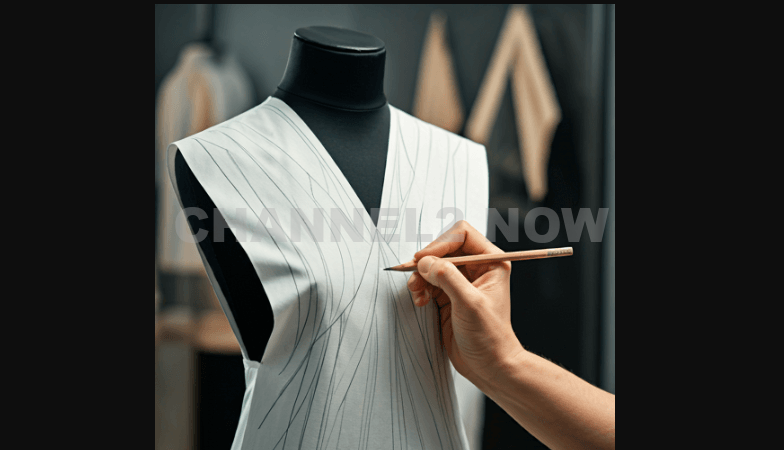
Micro niches in the fashion industry refer to highly specific, small segments of the market that cater to particular audiences with unique preferences, styles, or needs.
These niches are often focused on particular aspects of fashion, such as material, culture, size, or sustainability. Here are some examples of micro niches within the fashion industry:
1. Sustainable and Ethical Fashion
- Eco-Friendly Fabrics: Clothing made from organic or recycled materials, such as organic cotton, bamboo, hemp, or recycled plastics.
- Vegan Fashion: Garments, shoes, and accessories made without the use of animal products, appealing to ethically conscious consumers.
- Zero-Waste Fashion: Brands that focus on minimizing textile waste in production by using off-cuts or designing clothes that produce little to no waste.
2. Plus-Size or Petite Fashion
- Plus-Size Fashion: A growing niche that caters to consumers looking for stylish, well-fitted clothing in larger sizes.
- Petite Fashion: Clothing designed specifically for women of shorter stature, offering better-fitting options compared to standard sizing.
3. Modest Fashion
- Clothing that adheres to religious or cultural standards of modesty, such as longer hemlines, loose fits, and coverage of specific areas of the body. Popular among Muslim, Jewish, and Christian communities, with an emphasis on conservative yet stylish design.
4. Tech-Integrated Fashion
- Smart Clothing: Wearables that incorporate technology, like fitness tracking, heart rate monitoring, or temperature regulation into everyday fashion.
- Interactive Fashion: Clothing that can change colors or patterns in response to external stimuli, such as temperature or touch.
5. Gender-Neutral or Androgynous Fashion
- Fashion that avoids traditional gender binaries, offering clothing that is versatile, unisex, and inclusive for individuals who prefer not to conform to specific male or female dress codes.
6. Vintage or Retro Fashion
- Fashion that revives trends from past decades, offering pieces that resemble or are inspired by styles from the 1950s, 60s, 70s, and so on. Some brands focus on selling authentic vintage items, while others recreate retro styles with modern twists.
7. Fitness and Athleisure Fashion
- Athleisure: A cross between athletic wear and casual fashion, designed for both exercise and everyday comfort.
- Performance Wear: High-tech fitness gear made with moisture-wicking fabrics, UV protection, and compression, tailored to specific sports or activities.
8. Cultural or Heritage Fashion
- Traditional Wear: Clothing inspired by the cultural heritage of specific ethnic groups, such as African prints, Indian sarees, or Japanese kimonos, with a modern twist for contemporary consumers.
- Indigenous Fashion: Focus on designs, materials, and craftsmanship rooted in indigenous communities, often promoting fair trade and cultural appreciation.
9. Maternity Fashion
- Clothing designed for expectant mothers, focusing on comfort, flexibility, and style, catering to different stages of pregnancy as well as postpartum needs.
10. Luxury Streetwear
- A niche that blends high-end fashion with urban streetwear aesthetics. This category appeals to those seeking exclusive, high-fashion pieces with a street-style edge, often characterized by limited-edition items.
11. Adaptive Fashion
- Fashion designed specifically for individuals with disabilities or special needs. This niche focuses on clothing that is easier to put on, such as items with Velcro closures, magnetic buttons, and accessible designs for wheelchair users.
12. Festival and Rave Wear
- Clothing and accessories designed for music festivals and raves, often featuring bold, neon colors, sequins, and avant-garde designs to match the energetic, expressive atmosphere of these events.
13. Loungewear and Sleepwear Fashion
- Specialized clothing designed for comfort and relaxation at home. With the rise of remote work, this niche has gained popularity, blending style with comfort for casual yet stylish at-home attire.
Each micro niche has its own dedicated customer base, allowing brands to create highly targeted marketing strategies and product lines that cater to specific consumer needs.
These niches can be profitable by fostering loyal communities and addressing gaps in the mainstream fashion market.
Business & Economy
BTC/XRP Rebounds, But More and More People Are Changing Their Participation Methods

With the recent resurgence of volatility in the crypto market, Bitcoin and XRP (XRP) have once again become the focus of market attention.
Trading volume has rebounded, and discussion has increased, attracting not only new users but also bringing back some previously absent participants.
However, as the market heats up again, a less obvious but noteworthy change is occurring—more and more users are beginning to rethink “how to participate,” rather than just “when to buy and sell.”
The Limitations of Traditional Trading Are Becoming More Apparent
For a long time, buying and selling has been the primary way most people participate in the crypto market. However, in practice, many users find it difficult to grasp market rhythms, and emotional fluctuations can also affect decision-making.
In rapidly changing market conditions, some users often face the following situations:
Difficulty in judging entry timing
Instable holding periods
Overreacting to short-term fluctuations
With accumulated experience, some participants are beginning to look for more stable and predictable participation methods.
From “Predicting the Market” to “Structured Participation”
In recent years, a different approach to participation has gradually gained attention. Compared to frequent trading, this approach emphasizes structured participation—that is, clearly defining rules, cycles, and processes before participation, thereby reducing reliance on short-term market fluctuations.
This shift doesn’t mean users are abandoning trading altogether, but rather that they are seeking a balance among various methods. Some users are choosing to shift their focus from continuous market monitoring to a more rhythmic participation mode.
Platform Emergence and Changing Trends
Against this backdrop, some platforms have begun offering more structured participation solutions. For example, platforms like www.xrppower.com are gradually being mentioned by some users.
These platforms typically establish clear participation logic and processes, allowing users to understand the overall structure before entering. For users who do not wish to trade frequently, this approach lowers the barrier to entry to some extent.
It’s important to note that different platforms have different designs, and users usually understand and assess their operation through publicly available information before participating.
User Behavior is Changing
Market activity does not mean everyone is chasing short-term fluctuations.
Conversely, some users are beginning to focus more on:
The stability of participation methods
Time cost control
The sustainability of the participation experience
This shift reflects the evolution of the crypto market from a “single transaction-driven” model to a “multi-faceted participation model.”
For readers who wish to learn more about structured participation methods, please refer to the publicly available information of relevant platforms, including their operational logic and participation processes:
Conclusion
With the resurgence of BTC and XRP, the market’s focus is gradually changing.
For a growing number of participants, the question is no longer simply “whether there are opportunities in the market,” but rather “how to participate in them in a more appropriate way.”