
Crime
19-Year-Old Ryder Corral Arrested After Vandalizing Memorial for Charlie Kirk at TPUSA Headquarters


Newly released surveillance footage shows 19-year-old Ryder Corral vandalizing a community memorial established in honor of Charlie Kirk outside Turning Point USA’s headquarters in Arizona.
According to authorities, Corral has been booked on multiple charges, including criminal damage and disorderly conduct.
The video evidence captures him deliberately forcing his way into the tribute space, where mourners had placed flowers, vases, balloons, and American flags.
Corral is seen kicking over and destroying the memorial items as bystanders looked on in shock.
He reportedly advanced nearly 15 yards through the tribute before being subdued by individuals present at the scene and taken into custody by police shortly afterward.
Investigators noted that Corral was wearing the same style of clothing that 22-year-old Tyler Robinson had been seen wearing during the tragic September 10 incident that claimed Charlie Kirk’s life.
Law enforcement confirmed that Corral has no current connection to Robinson’s case but acknowledged the similarities in appearance caught on camera.
Community members expressed outrage at the act, calling it an unnecessary and cruel attack on a space meant for grieving.
“A memorial is where people bring flowers, prayers, tears, and memories,” one attendee said. “To walk into that space and stomp on it is cruel on a level that words can hardly describe.”
Supporters stressed that the act of vandalism inflicted additional pain on Kirk’s family, friends, and followers who had gathered to honor his memory.
Many condemned the behavior as a stark example of hostility overshadowing compassion.
“We have to be better than this,” one community member remarked. “We can debate ideas and challenge viewpoints, but when even a memorial isn’t safe from hate, it shows how much of our humanity is being lost.”
The investigation remains ongoing, and Corral is currently being held on the listed charges.









Crime
61-year-old Sharon killed by ex-boyfriend in Cuyahoga Falls Natatorium shooting, Craig Sipe charged with murder
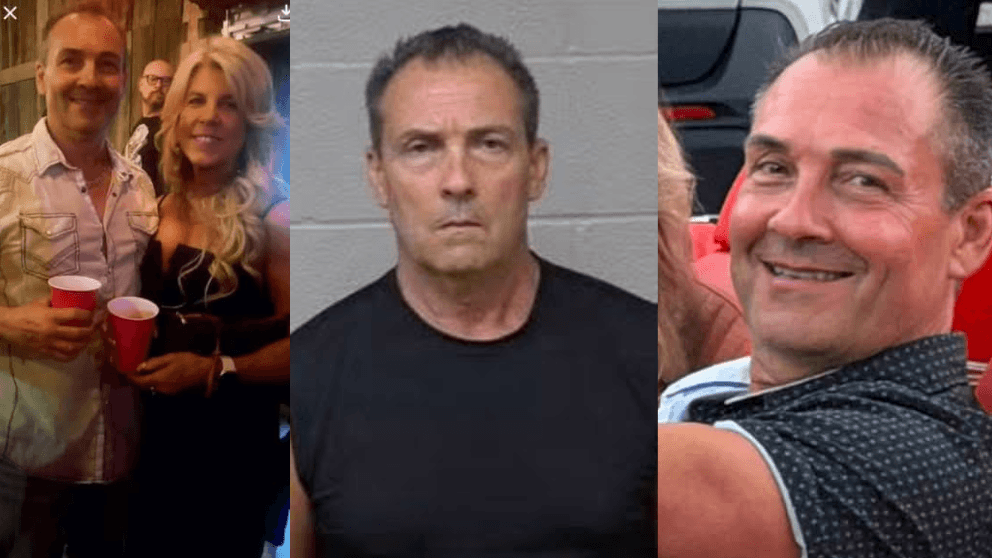
CUYAHOGA FALLS, Ohio — Craig Alan Sipe, 63, of Akron, has been charged with aggravated murder following a fatal shooting at the Cuyahoga Falls Natatorium on Sunday morning, October 18, 2026, according to the Cuyahoga Falls Police Department.
Police said officers responded to reports of a shooting inside the fitness facility on 4th Street at approximately 9:30 a.m.
During the initial investigation, authorities determined that a 61-year-old woman had been shot and seriously injured.
The victim was transported to a local hospital for treatment but later died from her injuries, police confirmed. Her name has not been officially released by authorities.
According to the Cuyahoga Falls Police Department, preliminary findings indicate that the suspect targeted one victim before fleeing the area. Investigators believe the shooting was domestic-related, although authorities have not publicly disclosed further details about the circumstances that led to the violence.
Sipe, who is from Akron, later turned himself in to Cuyahoga Falls police. He was taken into custody and transported to the Summit County Jail.
Authorities have charged Sipe with one count of aggravated murder in connection with the woman’s death. He was expected to be arraigned on Monday, October 19, according to the information released about the case.
The charge represents an allegation, and the case will proceed through the criminal justice system.
The Cuyahoga Falls Natatorium was closed following the shooting and was scheduled to remain closed through Monday, October 19, 2026, as the investigation continued.
Police have not released additional information about the events leading up to the shooting or the relationship between the suspect and the victim. Investigators said further details would be shared as they become available and when appropriate.
The City of Cuyahoga Falls also expressed condolences to the victim’s family and loved ones as they cope with the loss.
The Cuyahoga Falls Police Department continues to investigate the fatal shooting. Authorities have not publicly released the victim’s identity, and additional details about the case remain limited.
The investigation is ongoing as officials work to establish the full circumstances surrounding the incident.