
Business & Economy
BTC/XRP Rebounds, But More and More People Are Changing Their Participation Methods

With the recent resurgence of volatility in the crypto market, Bitcoin and XRP (XRP) have once again become the focus of market attention.
Trading volume has rebounded, and discussion has increased, attracting not only new users but also bringing back some previously absent participants.
However, as the market heats up again, a less obvious but noteworthy change is occurring—more and more users are beginning to rethink “how to participate,” rather than just “when to buy and sell.”
The Limitations of Traditional Trading Are Becoming More Apparent
For a long time, buying and selling has been the primary way most people participate in the crypto market. However, in practice, many users find it difficult to grasp market rhythms, and emotional fluctuations can also affect decision-making.
In rapidly changing market conditions, some users often face the following situations:
Difficulty in judging entry timing
Instable holding periods
Overreacting to short-term fluctuations
With accumulated experience, some participants are beginning to look for more stable and predictable participation methods.
From “Predicting the Market” to “Structured Participation”
In recent years, a different approach to participation has gradually gained attention. Compared to frequent trading, this approach emphasizes structured participation—that is, clearly defining rules, cycles, and processes before participation, thereby reducing reliance on short-term market fluctuations.
This shift doesn’t mean users are abandoning trading altogether, but rather that they are seeking a balance among various methods. Some users are choosing to shift their focus from continuous market monitoring to a more rhythmic participation mode.
Platform Emergence and Changing Trends
Against this backdrop, some platforms have begun offering more structured participation solutions. For example, platforms like www.xrppower.com are gradually being mentioned by some users.
These platforms typically establish clear participation logic and processes, allowing users to understand the overall structure before entering. For users who do not wish to trade frequently, this approach lowers the barrier to entry to some extent.
It’s important to note that different platforms have different designs, and users usually understand and assess their operation through publicly available information before participating.
User Behavior is Changing
Market activity does not mean everyone is chasing short-term fluctuations.
Conversely, some users are beginning to focus more on:
The stability of participation methods
Time cost control
The sustainability of the participation experience
This shift reflects the evolution of the crypto market from a “single transaction-driven” model to a “multi-faceted participation model.”
For readers who wish to learn more about structured participation methods, please refer to the publicly available information of relevant platforms, including their operational logic and participation processes:
Conclusion
With the resurgence of BTC and XRP, the market’s focus is gradually changing.
For a growing number of participants, the question is no longer simply “whether there are opportunities in the market,” but rather “how to participate in them in a more appropriate way.”






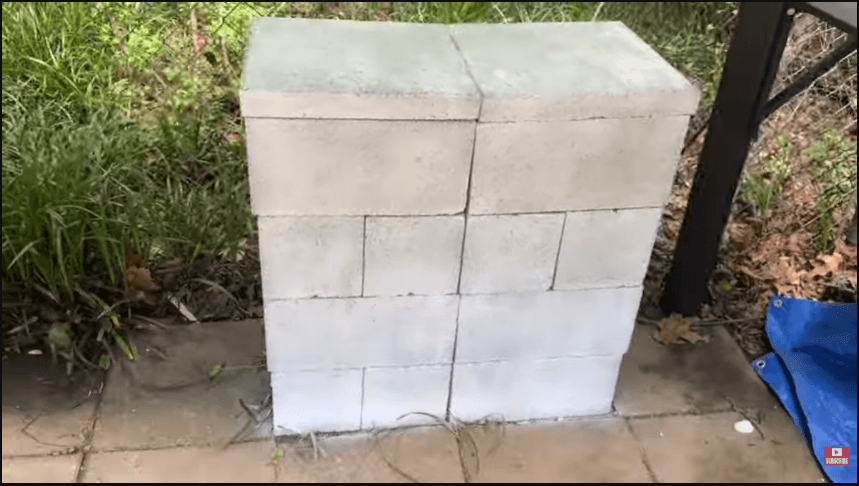
If you’re looking to create a functional and budget-friendly outdoor grilling area, this easy DIY project offers a practical solution that almost anyone can build.
With minimal materials, low cost, and straightforward assembly, you can construct a durable grill station or outdoor countertop in just about an hour.
Materials and Cost
This project primarily requires standard cinder blocks and concrete slabs, both of which are widely available at home improvement stores such as Lowe’s or Home Depot.
- Cinder blocks: Approximately $2.50 each
- Concrete slabs (16” x 16” recommended): Around $5–$6 each
- Estimated total cost: $50–$60 for the entire setup
Each column of stacked cinder blocks typically costs between $20 and $30, making this an extremely affordable option compared to pre-built outdoor kitchen units.
Construction Process
The build process is simple and requires no specialized tools or advanced skills:
- Prepare the Area
Select a flat outdoor surface where you want your grill station. Ensure the ground is as level as possible to provide stability. - Stack the Cinder Blocks
Arrange and stack the cinder blocks vertically to form sturdy columns. Adjust placement as needed to ensure each column is level and aligned. This step forms the base structure of your grill station. - Position the Countertop
Place concrete slabs across the top of the columns to create a solid, flat surface. The 16” x 16” slabs work well for most standard grills, though smaller or larger options are available depending on your needs. - Optional Finishing Touches
- The structure can be left in its natural concrete finish for a minimalist look.
- Alternatively, you can paint the blocks and slabs to match your outdoor aesthetic. For example, a white finish can create a clean, modern appearance.
- Applying paint may require two coats for full coverage.
Time and Ease of Build
The entire project can typically be completed in about one hour, including assembly and painting. After construction, allow additional time for paint to dry before placing your grill on top.
Durability and Functionality
One of the key advantages of this design is its strength and stability. The use of solid concrete materials ensures:
- Long-lasting durability
- Minimal movement or shifting
- Resistance to outdoor conditions
Versatility
While designed as a grill station, this setup can serve multiple purposes, including:
- Outdoor kitchen counter
- Food prep station
- General-purpose outdoor workspace
You can also expand the design by adding additional slabs or columns to create more surface area or storage space.
Once completed, the structure provides a sturdy platform for your grill, along with extra space for tools, food preparation, or additional equipment.
The result is a clean, functional outdoor setup achieved at a fraction of the cost of traditional installations.