
Crime
Azir Harris Shot Multiple Times in the Back, Someone Jumped Over His Wheelchair During Attack


PHILADELPHIA — Azir Harris, a 24-year-old father and outspoken advocate for gun violence survivors, was tragically killed early Monday morning during a mass shooting at a block party in South Philadelphia, his family confirmed.
Harris, who had been paralyzed in a 2018 shooting at the age of 17, was attending a neighborhood cookout on the 1500 block of South Etting Street.
According to his father, Troy Harris, Azir had gone to enjoy the evening with friends and family, including the mother of his 1-year-old son, who was also injured in the shooting.
The gathering followed a weekend of remembrance for four young men from the community who were previously killed in acts of gun violence.
Community members said the atmosphere was celebratory, with music, food, and conversation—until it turned into chaos.
Shortly before 1 a.m., gunfire erupted. Police said more than 110 rounds were fired along the densely packed street, where dozens had gathered.
Harris, seated in his wheelchair, was struck multiple times in the back. Despite efforts to save him, he was pronounced dead shortly after 2:15 a.m. at a nearby hospital.
His wheelchair was left behind at the scene, surrounded by bullet casings and evidence markers—a haunting symbol of a life cut short.
“He was the light of this house,” said Troy Harris, speaking emotionally about his youngest son, the youngest of six children. “The kid fought so hard to stay here. And look … look what happened.”
After being paralyzed in the 2018 shooting, Azir had become a dedicated advocate for survivors of gun violence and a devoted father to his young son, Aspen.
“He was so committed to being a dad,” his father said. “He didn’t let not being able to use his legs stop him from being totally committed. He would do everything—sometimes it would make us nervous. But he was so happy to be a father.”
As the investigation continues, police believe multiple shooters were involved, though no motive has yet been determined.
At least 13 people were injured in the shooting, three fatally.
The ages of the victims range from 15 to 24.
Troy Harris spent Monday making heartbreaking calls to those who had helped support his son’s recovery and journey since 2018.
The shooting marks the second mass shooting in Philadelphia in just days and underscores the growing concern over escalating violence in the city.









Crime
Saylor Graham, 7, Fights to Recover After Silver Rail Elementary School Shooting as Teacher Becky Drury Faces Long Recovery
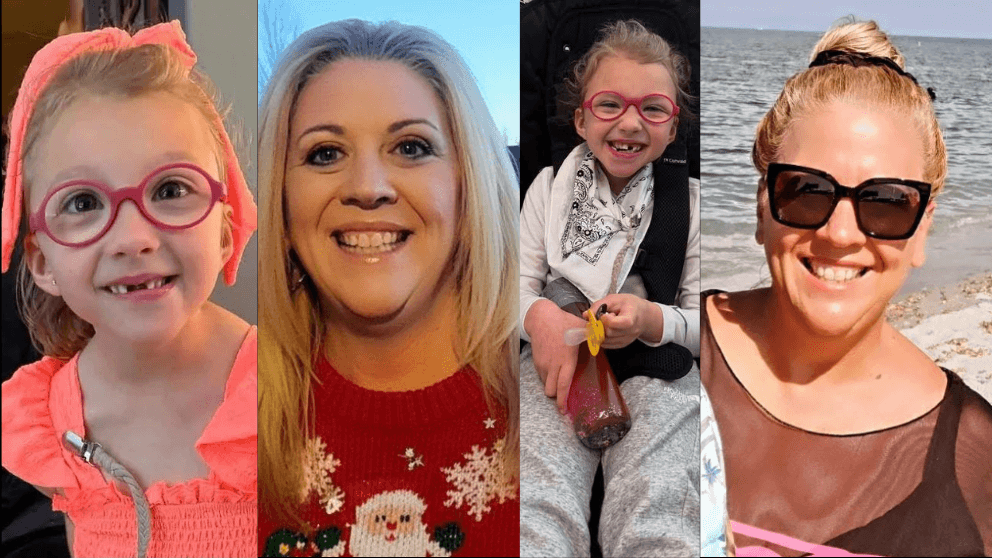
BEND, Oregon — Seven-year-old Saylor Graham is recovering from life-threatening injuries after being shot at Silver Rail Elementary School in Bend, Oregon, on October 15, 2026. Meanwhile, 54-year-old teacher Becky Drury is beginning a lengthy recovery after suffering gunshot wounds to her left arm and right hand during the deadly school shooting.
The latest updates from the two families offer a glimpse of the difficult road ahead for survivors of a tragedy that claimed the lives of three children and a teacher, leaving families, classmates, and the wider Bend community grieving.
Saylor Graham, described by her family as a loving, feisty girl with a strong determination to thrive, was shot in the jaw during the shooting, according to the information shared by her family and supporters. She was airlifted from Bend for medical treatment.
Her family says the 7-year-old has already faced numerous medical challenges throughout her young life. Now, she is confronting another devastating ordeal, with her parents remaining by her side as she receives treatment and begins the recovery process.
Updates shared about Saylor’s condition have differed. An earlier account described her as being in critical condition, while a later update reported that she was in serious but stable condition. Her latest status should be confirmed with her family or an official source before publication.
For Saylor’s parents, the emotional strain is accompanied by significant financial uncertainty. Both parents are self-employed, and the demands of remaining at the hospital have sharply limited their ability to work. They must also manage medical expenses, transportation, lodging, household bills, and the needs of their other child.
A GoFundMe fundraiser has been organized to help Saylor’s family manage the financial pressures arising from her injuries and ongoing treatment.
The fundraiser describes Saylor as a daughter, sister, and niece whose determination has carried her through numerous medical challenges. It explains that the family is facing uncertainty as they remain close to her during recovery.
The appeal states that donations will help cover hospital bills, time away from work, lodging, transportation, and other urgent family expenses.
The fundraiser also asks supporters to keep Saylor and her loved ones in their thoughts and prayers, emphasizing that every contribution and act of kindness can make a difference during this difficult time.
Readers who wish to support Saylor’s recovery can find the fundraiser through the link shared by her family or the original organizer. The campaign details and donation link should be verified before being shared.
Becky Drury, 54, a teacher at Silver Rail Elementary School, was also wounded in the shooting. She suffered gunshot injuries to her left arm and right hand and has undergone surgery.
Her husband, Will, shared a hopeful update, saying the operation went well. However, the injuries to her left arm were extensive, and she is expected to require additional procedures and a prolonged recovery.
Despite the difficult road ahead, her husband’s message offered a moment of relief amid the grief surrounding the shooting.
“The good news is she will be ok and we all get to keep that magnificent woman we love so much in our lives,” he said.
His words reflect the gratitude of a family facing a frightening and uncertain recovery while knowing that Becky survived.
The shooting at Silver Rail Elementary School left three children and one teacher dead, according to the information provided in reports about the incident.
Five-year-old Rhoam Summer has been publicly identified among the children killed. Megan Lambert, 25, a teacher also known as “Coach Megan,” was identified as the adult victim. Two other children, ages 8 and 11, were also killed.
Their deaths have left four families facing an unimaginable loss. While Saylor and Becky continue their recoveries, the families of those who died are beginning a different and heartbreaking journey of grief.
The contrast between the survivors’ fight to recover and the families’ permanent loss has become one of the most painful realities of the tragedy.
For Saylor’s family, every update about her condition carries enormous significance. Her parents are navigating the uncertainty of their daughter’s recovery while trying to remain present for her and care for their family.
For Becky Drury’s loved ones, the successful surgery has brought relief, even as further treatment and rehabilitation lie ahead.
Their stories do not erase the devastating loss experienced by the families of the victims. Instead, they highlight the many ways the shooting has changed lives and the long road that survivors and loved ones must now face.
As Bend mourns the children and teacher who did not return home, the community continues to hope for Saylor’s recovery and for Becky to regain her health.
Saylor Graham and Becky Drury are among those still fighting their way forward after the Silver Rail Elementary School shooting. Their families are asking for support, compassion, and privacy as they face the difficult days ahead.