
Crime
36-year-old Emerald Pretty killed in Englewood shooting


CHICAGO, IL — A man was found shot to death Friday night on Chicago’s South Side, prompting a homicide investigation by Area One detectives, according to the Chicago Police Department.
Officers responded to reports of gunfire in the 900 block of West 63rd Parkway in the Englewood neighborhood at approximately 10:00 p.m.
Upon arrival, officers discovered a 36-year-old male victim suffering from gunshot wounds to the head and neck.
Emergency medical personnel were called to the scene, but the victim was pronounced dead on arrival.
The Cook County Medical Examiner’s Office later identified him as Emerald Pretty, age 36.
According to preliminary information, a male suspect exited a white sedan, approached the victim, and opened fire before fleeing the scene in the same vehicle.
No arrests have been made at this time, and Area One detectives are actively investigating the circumstances surrounding the shooting.
Authorities have not released details on a possible motive or whether the incident may have been targeted.
Police are urging anyone with information to contact the Chicago Police Department’s Area One Bureau of Detectives or submit an anonymous tip through CPD’s tip line or Crime Stoppers.









Crime
Silver Rail Elementary School Shooting Suspect Identified as 16-Year-Old John Griffin, Who was shot and killed by Kaylub Giamanco
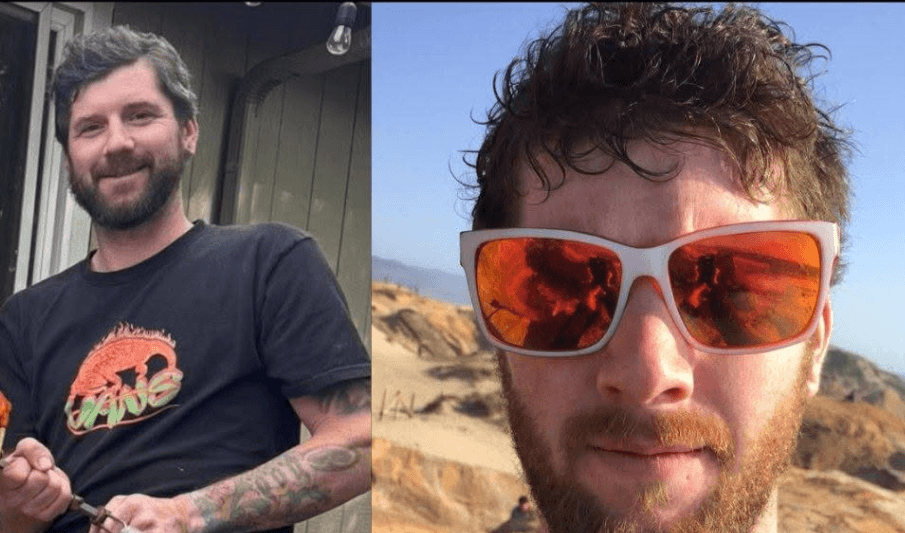
BEND, Oregon — The suspect in the deadly shooting at Silver Rail Elementary School in Bend, Oregon, has been identified in preliminary reports as 16-year-old John J. Griffin, according to information provided for this report. Kaylub Giamanco has also been identified in the supplied account as the bystander who reportedly confronted and shot the teenage suspect during the October 15, 2026, incident.
According to a family member who spoke with Channel2 NOW, Giamanco was returning home during his lunch break when he encountered the emergency near the school, where his two daughters reportedly attend classes. He lives nearby and allegedly rushed toward the school after hearing gunshots and realizing that children, including his daughters, could be in danger.
Giamanco’s reported intervention has prompted expressions of gratitude and calls for him to be recognized for his actions. However, the suspect’s identity, Giamanco’s role and the precise sequence of events should be confirmed through official statements before being presented as established facts.
The account provided to Channel2 NOW describes Giamanco as a father who was returning home during his lunch break when the shooting unfolded. After hearing gunfire near Silver Rail Elementary School, he reportedly saw the suspected shooter moving toward or entering the building.
Because his two daughters attended the school, Giamanco allegedly ran toward the scene rather than away from it. Preliminary accounts say he confronted the suspect and shot him, and the 16-year-old reportedly died.
The supplied information does not independently establish the exact location of the confrontation, the actions of those involved immediately beforehand or whether investigators have formally confirmed Giamanco’s identity as the person who shot the suspect.
Nevertheless, the account has drawn strong emotional reactions from people who view his reported actions as an attempt to protect his daughters and other children inside the school.
Some supporters have called for Giamanco to receive a medal or other formal recognition. Any official commendation, however, would need to be confirmed by the relevant authorities.
The supplied report identifies John J. Griffin, 16, as the suspected shooter in the Silver Rail Elementary School attack. The available information describes him as a Bend resident and alleges that a shotgun was used during the incident.
The reported circumstances surrounding Griffin’s death remain an important part of the investigation. Early accounts indicate that a bystander shot the suspect during the emergency, but investigators would need to confirm the individual’s identity and establish the precise sequence of events.
The suspect’s identification and the circumstances of the shooting should be attributed to law enforcement once an official statement is available.
The October 15 shooting prompted a major emergency response and left the community grieving. Preliminary information supplied for this report indicates that four victims—three children and one adult—were killed. The suspected shooter was also reported dead, bringing the reported total to five fatalities.
Five-year-old Rhoam Summer was identified in the supplied information as the first named victim. Two other children, reportedly ages 8 and 11, were also described as having died. An adult teacher was reported among the victims.
Two additional people—a 7-year-old child and a 54-year-old teacher—were reportedly transported for medical treatment in critical condition.
The identities of the other victims, the final casualty figures and the latest conditions of the injured people require confirmation from law enforcement or the appropriate authorities. The information available for this article does not establish that the teacher who died was killed while protecting students, so that characterization should not be presented as confirmed.
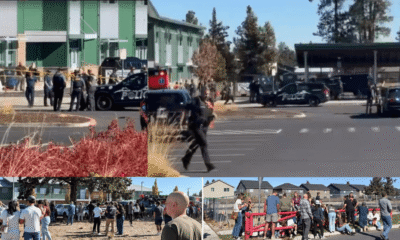
Bend police reportedly issued an active-shooter alert at approximately 1:17 p.m. on Thursday, warning the public of a major law enforcement presence at Silver Rail Elementary School and urging people to avoid the surrounding area.
Police, firefighters and emergency medical personnel responded to the campus. Nearby schools, including Caldera High School and Jewell Elementary, were reportedly placed under lockdown as a precaution.
Authorities also designated Journey Church, located at 61303 S Highway 97 near Goodwill and Dairy Queen, as a family reunification location. Parents and guardians were directed there to reconnect with students and receive information during the emergency response.
The reported deaths of children and an adult educator have left families and the wider Bend community facing an immense tragedy. Rhoam Summer, just 5 years old, has become one of the first children named in the reports surrounding the shooting.
As the investigation continues, families are waiting for verified information and the opportunity to grieve their loved ones. Those affected by the shooting may also face a difficult period of emotional recovery.
Giamanco’s reported actions have added another dimension to the story, with supporters expressing gratitude for a father who allegedly rushed toward danger after hearing gunshots near the school attended by his daughters. His family’s experience and the well-being of his children also deserve consideration as details emerge.
🙏💔 Our thoughts are with the families of Rhoam Summer and the other reported victims, the injured child and teacher, and everyone affected by this devastating incident. May those who lost their lives rest in peace, and may their loved ones find strength and support during this heartbreaking time.