
Crime
Atlanta Gunman Targeted CDC Headquarters, Claiming COVID Vaccine Made Him Sick


Authorities in Atlanta are investigating a deadly shooting incident near Emory University and the Centers for Disease Control and Prevention (CDC) headquarters.
Law enforcement officials report that the suspected gunman is deceased, and the immediate threat to the public has been neutralized. However, police continue to urge the public to avoid the area while the investigation remains active.
According to a law enforcement official, preliminary information suggests the shooter may have been motivated by a belief that he was ill and blamed his condition on the COVID-19 vaccine.
This theory emerged after police spoke with members of the suspect’s family.
The incident unfolded when the gunman approached a building at the CDC campus, placed a backpack on the ground, produced a rifle, and opened fire at the building.
A CDC employee, who witnessed the attack, immediately called 911 after hearing multiple gunshots.
The CDC campus, located adjacent to Emory University, was placed on lockdown, along with portions of the university.
The Atlanta Police Department confirmed on X (formerly Twitter) that there was only one shooter involved and that he is now dead.
They emphasized that there is no ongoing threat to Emory University or the surrounding community.
During the response, a DeKalb County police officer sustained critical injuries while confronting the shooter. The officer was transported to Emory University Hospital but tragically did not survive. The reported time of death was 5:48 p.m.
The Emory College of Arts and Design had earlier posted an urgent alert on X, warning that the shooter was near Emory Point.
Georgia Department of Transportation traffic cameras captured a heavy police presence in the area.
The proximity of the shooting to the CDC heightened concerns, as the federal health agency issued an internal alert advising employees to take immediate shelter.
FBI agents have been deployed to assist local authorities in the investigation. Georgia Attorney General Chris Carr expressed deep concern over the tragedy, stating, “We are horrified by the active shooter situation on or near Emory’s campus and are praying for the safety of the entire campus community. We stand ready to assist our law enforcement partners with whatever they may need.”
While initial reports indicate that no civilians were injured, the CDC headquarters did sustain gunfire damage.
Authorities are working to determine whether the CDC facility was the primary target of the attack. The investigation remains ongoing.










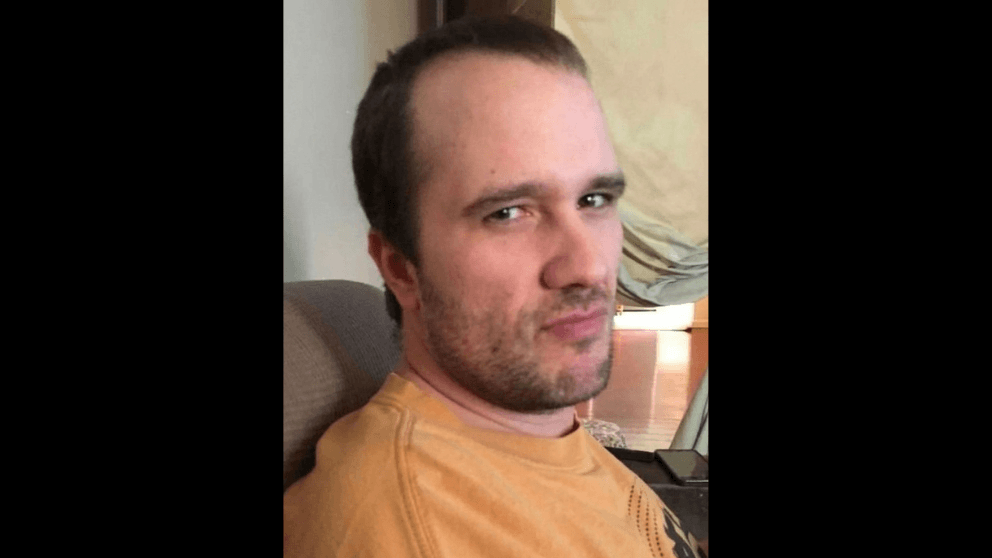
ERIE, Pa. — Matthew S. Stone, also known as Matt Stone, has reportedly been identified as the suspected gunman in a deadly mass shooting at a residence on Perry Street in Erie, Pennsylvania, on Friday, October 9, 2026.
The shooting reportedly claimed nine lives, including those of his daughter, Angelina Stone, and her two young children, according to information shared by family members and other reports.
Authorities responded to a residence at 722 Perry Street at approximately 5 p.m. after receiving emergency calls reporting gunfire.
The incident developed into an hours-long standoff before officers entered the home and found multiple victims.
The suspected shooter was also found dead inside the residence, reportedly from what appeared to be a self-inflicted gunshot wound.
The reported identification of Matthew S. Stone as the suspect has added another painful dimension to a tragedy that has devastated relatives, friends and the wider Erie community. However, the suspect’s identity and the reported family relationships should be treated as unconfirmed unless officially verified by law enforcement.
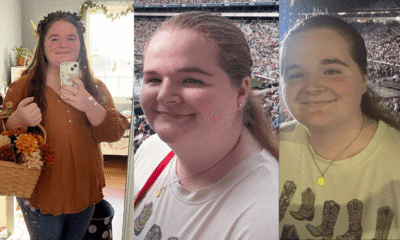
Angelina Stone, 24, her 5-year-old son, Isiah Hodges, and her nearly 2-year-old daughter, Amari’anna, have reportedly been identified among those killed in the shooting.

Family-shared information and a fundraising appeal described Angelina as pregnant and expecting a baby boy named Kyrie in the coming weeks. The reported deaths of Angelina and her children have left relatives and friends grieving the loss of a young mother and the children whose lives were cut short.
Information shared by family members reportedly identified Matthew S. Stone as Angelina’s father and the person responsible for killing her and her children. However, the information available for this report does not establish that police have officially confirmed the suspect’s identity, the family relationships or the allegations surrounding the deaths.
Lora Roberts, a mother of five and volunteer advocate for people experiencing homelessness, has also reportedly been identified as a victim.

Roberts was known for her community service and was reportedly a former member of the board of directors of Community of Caring, an Erie nonprofit that provides food and shelter to people in need.
According to information shared about the incident, Roberts was reportedly attempting to help a family member escape when she was shot. Her reported death has left five children without their mother and loved ones mourning a woman remembered for her compassion and willingness to help others.
April Miles Pineiro shared a heartfelt tribute remembering Jonathan and Matthew Stone as close childhood friends who helped make her early years unforgettable.

Pineiro recalled meeting the brothers when they were children and quickly becoming part of a close group of neighborhood friends. They spent hours playing outdoors, including hide-and-seek games in which the boys sometimes wore a clown mask to scare their friends.
She remembered how the children continued spending time together through cold and snowy weather and how they walked to the school bus stop together when they learned they would attend the same school.
Pineiro also recalled Jonathan’s childhood crush on her and a memorable visit to a park when playful horseplay on a slide ended with both brothers falling. She described these memories with affection, emphasizing the lasting bond they shared.
In her tribute, Pineiro expressed heartbreak over the reported deaths and promised to cherish their memories.
“I’ll love you ALWAYS AND FOREVER Matthew and Jonathan,” she wrote.
Her words reflected the depth of the friendships and the profound grief being felt by those who knew the brothers.
According to reports, witnesses told investigators that a man fired a handgun outside the residence before entering the home. Two women were initially found dead in the street.
Erie police officers and the department’s SWAT team surrounded the property and attempted to persuade the man inside to surrender. Additional gunshots were reportedly heard while officers remained outside.
Police eventually entered the residence and discovered additional victims in different areas of the home, including children. The suspected shooter was found dead inside, reportedly with what appeared to be a self-inflicted gunshot wound.
Authorities said there was no continuing threat to the public after the situation was contained.
Erie Police Chief Rick Lorah described the incident as devastating and deeply disturbing for the officers and investigators involved.
“The loss of life is devastating, and the circumstances we are working through are deeply disturbing,” Lorah said.
Mayor Daria Devlin also expressed condolences to the victims’ families and everyone affected by the tragedy, calling it a terrible loss for the community.
The Erie County Coroner’s Office and police investigators remained at the scene late Friday to document evidence and establish the circumstances surrounding the deaths. Counseling was reportedly being made available to responding officers following the traumatic incident.
The reported deaths of Angelina Stone, her children, Lora Roberts and other victims have left families and friends facing an unimaginable loss.
Community members continue to share tributes, remembering the victims through stories of childhood friendships, family bonds and efforts to help others.
Authorities are working to establish the full sequence of events and confirm the identities and relationships of those involved. The investigation remains ongoing, and additional official information may clarify the reported identity of the suspected shooter and the circumstances leading to the deadly incident.